MY ACCOUNT
DONATE
SEARCH
LA County Library Logo
MY ACCOUNT
DONATE
SEARCH
  • GET A LIBRARY CARD
  • LOCATIONS
  • BOOKS & MATERIALS

    • Search Catalog
    • Booklists
    • Special Collections
    • Recommend A Title
    • Customized Recommendations
    • Books by Mail

    DIGITAL LIBRARY

    • eBooks & Audiobooks
    • Movies & TV
    • Music
    • Newspapers & Magazines

    MORE TO BORROW

    • CA State Parks Passes
    • Hotspot Loans
    • Tools & Musical Instruments
    • Museum Passes
    • Board Games
    • Seeds

    HELP

    • Getting Started Using the Online Catalog
    • Borrowing Materials
    • Download the Library Mobile App
    • Frequently Asked Questions
    • Events Calendar
    • Virtual Programs
    • Virtual Author Talks
    • YouTube Channel
  • RESEARCH

    • Databases
    • Special Collections
    • Digital Collections
    • Biblioboard Community Collections
    • Local History
    • Transcribe Letters
    • Federal Government Documents

    LEARN

    • Online Learning
    • Earn Your High School Diploma
    • Reading & Writing for Spanish Speakers
    • Learn Basic Tech
  • EXPLORE BY INTEREST

    • Cultural Resource Centers
    • Business & Career
    • Citizenship & Immigration
    • Faith, Culture, and Community
    • LBGTQ+ Pride
    • Parenting
    • Tax Informatiom
    • Veterans
    • Writers

    EXPLORE BY AGE

    • Early Learners
    • Kids
    • Teens
    • Students
    • Emerging Adults
    • Adults
    • Older Adults
  • CONNECT TO TECH

    • Wi-Fi
    • Hotspot Loans
    • Public Computers
    • Wireless Printing & Copies

    MOBILE FLEET

    • Bookmobiles
    • MākMō

    COMMUNITY

    • Reserve Meeting & Study Rooms
    • Emergency & Disaster Preparedness
    • Health & Wellness
    • Legal Resources
    • Books for Jails
    • Little Libraries
    • Metro Tap Cards
    • My Brother's Keeper Peer Advocates
    • EV Charging Locations
    • LA County Departments
All LA County Library locations will be closed on Monday, January 19 in observance of Dr. Martin Luther King, Jr. Day. Our Digital Library is open 24/7.

Claremont

Community History

Located at the base of the San Gabriel Mountains along the eastern rim of Los Angeles County, Claremont has been called by some “a bit of New England with a sombrero.” For hundreds of years, Serrano Indians made their homes on its soil, only to be driven out by the Spanish missionaries, Mexican ranchers, and American settlers who put down roots there during the 1800s. The arrival of the railroad late in the century signaled the eventual departure of grazing cattle and herds of sheep meandering through clumps of sagebrush. Land developers invented Claremont in the 1880s, assuming the need for a town at its specific location along the gleaming tracks of the Santa Fe Railroad’s newly opened Chicago to Los Angeles route.

A real estate bust threatened the town’s future, but also led to the relocation of Pomona College to the unused Claremont Hotel. With a handful of professors committed to the college and its community, Claremont grew stronger. A blossoming citrus industry provided additional inhabitants and income and the town would eventually benefit from its role as a station on a passenger rail line heading into Los Angeles. As the twentieth century reached middle age, the railway shut down and the citrus groves gradually vanished. But Pomona College gave birth to five sister colleges during the 1900s, further solidifying the educational focus of the community, and Claremont grew larger and more populous after World War II, helped by new highways and industrial and residential growth in the greater Los Angeles area.

city of claremont
claremont heritage

Image Gallery
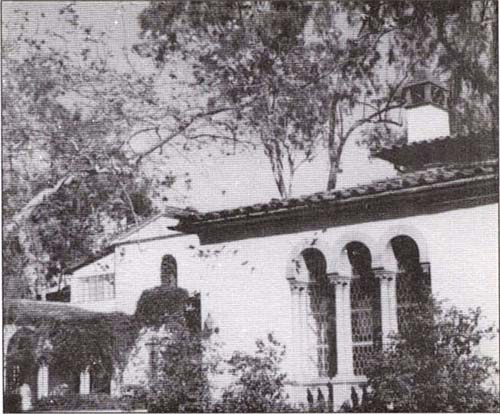
Claremont Santa Fe Depot, c. 1926.
Claremont Santa Fe Depot, c. 1926. Photograph taken c. 1990s [Courtesy of Claremont Heritage Historical Society]
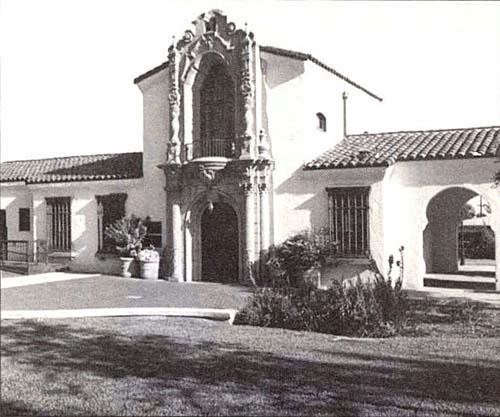
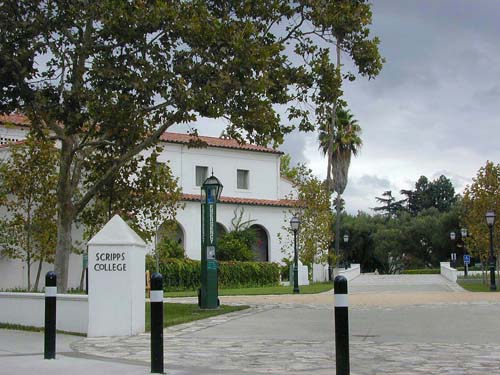
Scripps College, one of the Claremont Colleges, c. 1990s
Scripps College, one of the Claremont Colleges, c. 1990s [Courtesy of Claremont Heritage Historical Society]
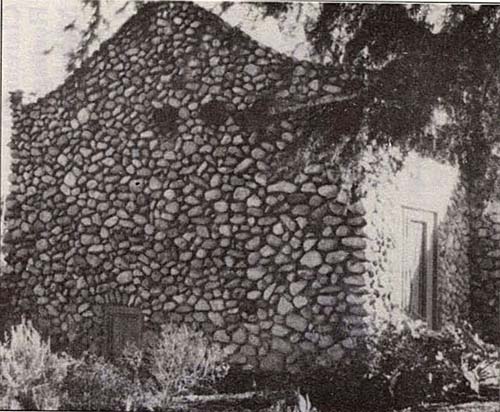
Stone pump house on citrus ranch, photograph c. 1990s
Stone pump house on citrus ranch, photograph c. 1990s [Courtesy of Claremont Heritage Historical Society]
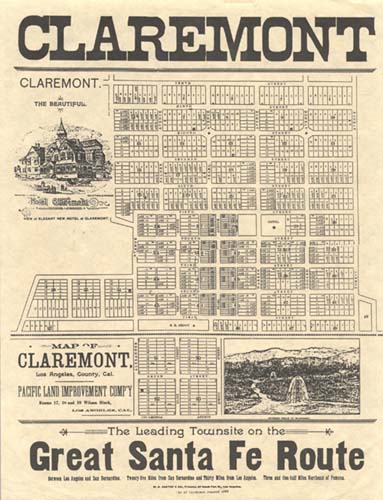
Map of Claremont townsite in real estate brochure, 1888
Map of Claremont townsite in real estate brochure, 1888 [Courtesy of Claremont Heritage Historical Society]
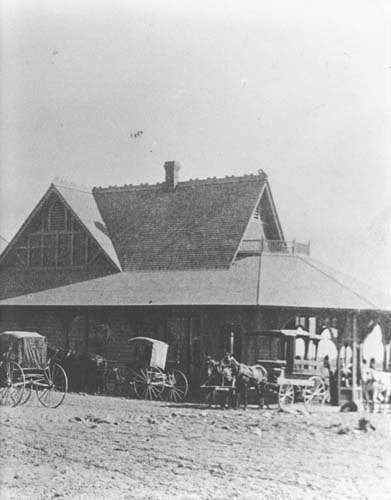
Original Santa Fe Depot in Claremont, c. 1889
Original Santa Fe Depot in Claremont, c. 1889 [Courtesy of Claremont Heritage Historical Society]
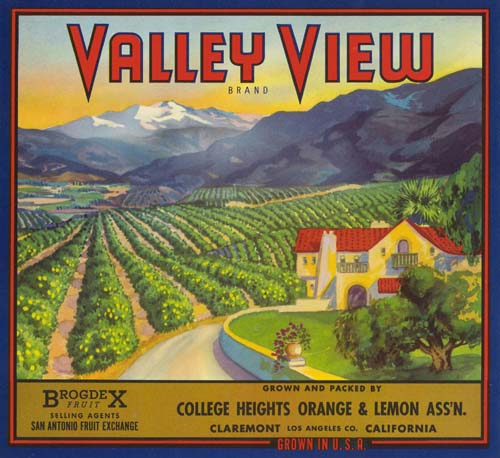
Citrus crate label for the Valley View Brand of the College Heights Orange
Citrus crate label for the Valley View Brand of the College Heights Orange and Lemon Association of Claremont, c. 1930 [Courtesy of Claremont Heritage Historical Society]
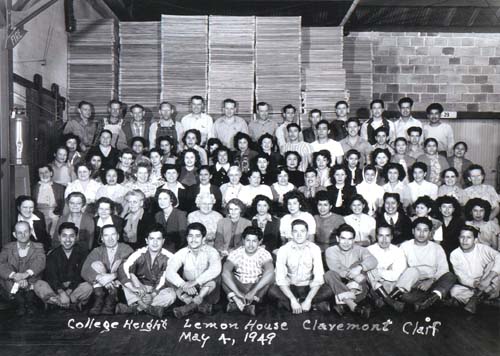
Employees of the College Heights Lemon House in Claremont, 1949
Employees of the College Heights Lemon House in Claremont, 1949 [Courtesy of Claremont Heritage Historical Society]
College Heights Orange and Lemon Association packing house, c. 1920
College Heights Orange and Lemon Association packing house, c. 1920 [Courtesy of Claremont Heritage Historical Society]
Indian Hill Citrus Association packing house and pre-cooling plant
Indian Hill Citrus Association packing house and pre-cooling plant, c. 1920 [Courtesy of Claremont Heritage Historical Society]
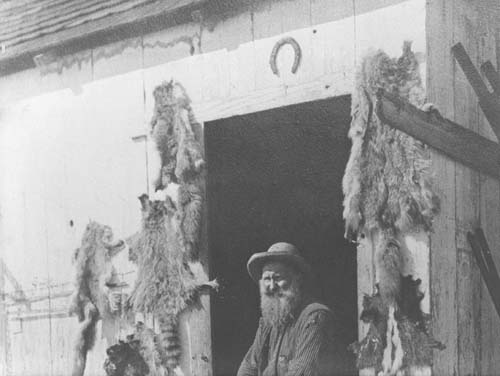
William 'Tooch' Thomas Martin, first Anglo settler in Claremont, c. 1910
William ‘Tooch’ Thomas Martin, first Anglo settler in Claremont, c. 1910 [Courtesy of Claremont Heritage Historical Society]
The Claremont High School building, built in 1912.
The Claremont High School building, built in 1912. Photographed in 1985. [Courtesy of Claremont Heritage Historical Society]
School bus in Claremont, c. 1920
School bus in Claremont, c. 1920 [Courtesy of Claremont Heritage Historical Society]
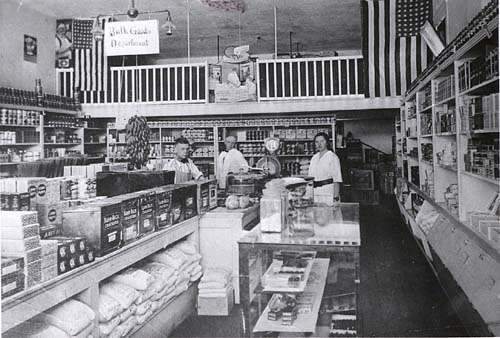
Bentley's grocery store in Claremont, 1917
Bentley’s grocery store in Claremont, 1917 [Courtesy of Claremont Heritage Historical Society]
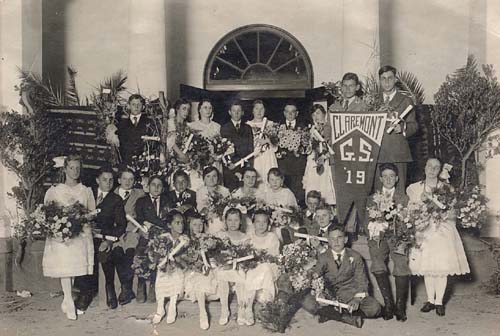
Graduating class at Claremont Grammar School, 1919
Graduating class at Claremont Grammar School, 1919 [County of Los Angeles Public Library]
Claremont Library, 1930
Claremont Library, 1930 [County of Los Angeles Public Library]
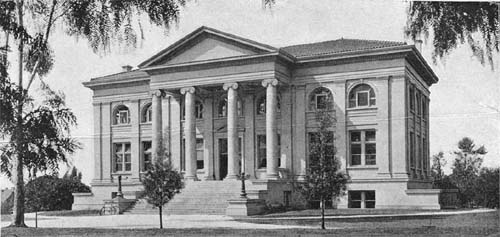
Pomona College Library, 1913
Pomona College Library, 1913 [County of Los Angeles Public Library]
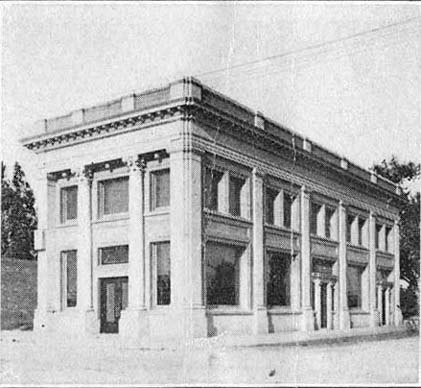
Claremont bank and Masonic temple, 1913
Claremont bank and Masonic temple, 1913 [County of Los Angeles Public Library]
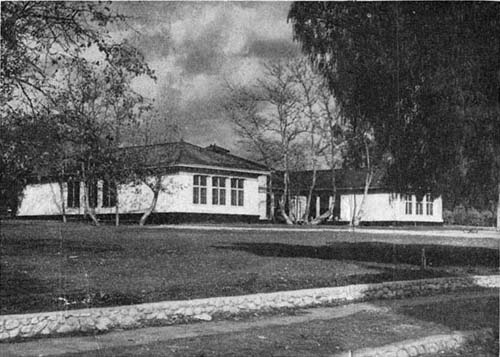
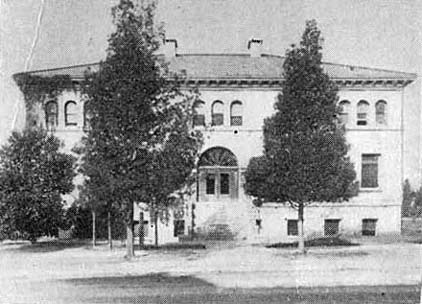
Claremont Grammar School, 1913
Claremont Grammar School, 1913 [County of Los Angeles Public Library]
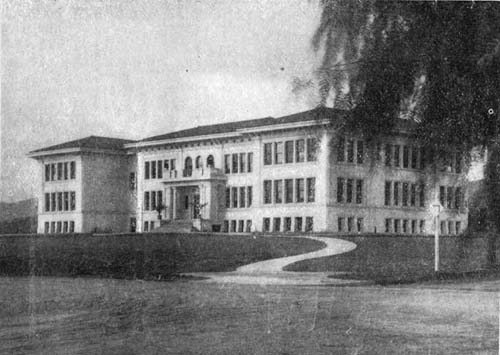
Claremont High School Black and White 1913
Claremont High School, 1913 [County of Los Angeles Public Library]
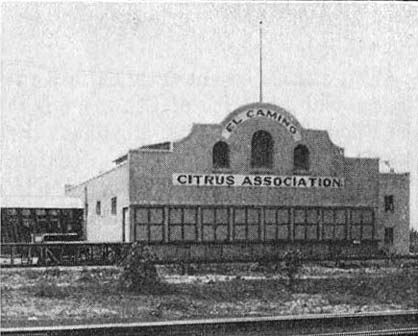
El Camino Citrus Association Packing House
El Camino Citrus Association packing house, 1913 [County of Los Angeles Public Library]
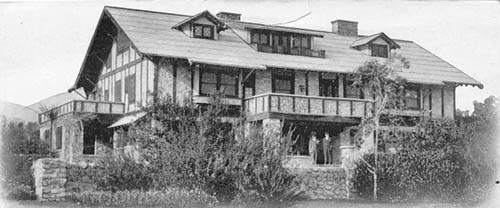
Claremont Residence in 1913
Claremont residence, 1913 [County of Los Angeles Public Library]
Pearson's Hall of Science Black and white photo
Pearson’s Hall of Science, Pomona College, 1913 [County of Los Angeles Public Library]
Honnold Mudd Library
Honnold Mudd Library of the Claremont Colleges, 2000 [County of Los Angeles Public Library]
Scripps College
Scripps College, one of the Claremont Colleges, 2000 [County of Los Angeles Public Library]
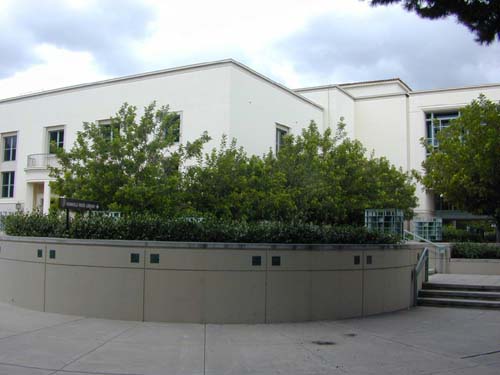
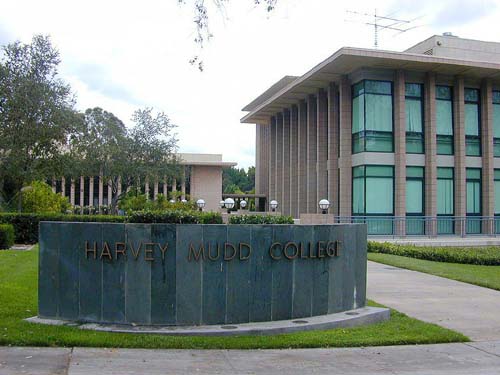
Harvey Mudd College
Harvey Mudd College, one of the Claremont Colleges, 2000 [County of Los Angeles Public Library]
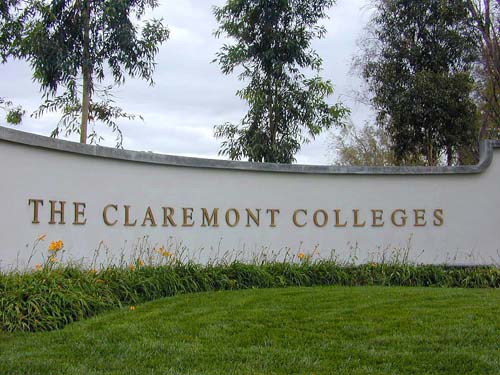
The Claremont College Sign
The sign in front of the Claremont Colleges, 2000 [County of Los Angeles Public Library]

Frequently Asked Questions

1. Do you have general information about the history of the city of Claremont?

Nomadic Native Americans first inhabited the area which would eventually become the city of Claremont. In 1769 Spanish explorers traversed Southern California from San Diego to Monterey and in 1771 the Catholic Church established the Mission San Gabriel, with lands extending from San Pedro Bay to the San Bernardino Mountains. Some fifty years later, Spain relinquished California to newly independent Mexico, and in 1834, the Mexican state secularized all church lands.

Ygnacio Palomares and Ricardo Vejar, who were raising their many horses and cattle in crowded Los Angeles, eyed the now vacant mission lands and in 1837 applied to the governor of California for a grant of land in the area “known by the name of San Josi.” The governor approved their request and the two (later joined by Palomares’ brother-in-law Luis Arenas) moved to Rancho San Josi, constructing adobe homes, planting vegetables, and grazing their cattle and sheep near present-day Claremont. Their families remained in the vicinity for many years, retaining title to the lands even after the United States annexed California in 1848. The first American to take up permanent residence close by was W.T. “Tooch” Martin, who purchased 156 acres near the mesa now called Indian Hill in 1871.

By the late 1880s, larger numbers of American settlers were migrating westward, assisted by expanding railroads. In 1887, the Santa Fe Railroad Company finished the San Bernardino to Los Angeles section of its Chicago to Los Angeles line. Expecting a population explosion, land developers mapped out about thirty town sites along that stretch of the rail line. The Pacific Land Improvement Company bought 365 acres and staked out plots to sell in a new community which its Boston-based board of directors chose to name Claremont, “to indicate its clear mountain air and water”-or perhaps just with the thought of Claremont, New Hampshire, in mind. The company constructed a few homes and a spacious hotel for visitors. But after a few sales, the real estate market collapsed and Claremont appeared to be a town without a future. Meanwhile, in nearby Pomona, a fledgling college started by the Congregational Churches in Southern California was outgrowing its quarters but had not yet been able to build new facilities. The land company’s trustees offered Pomona College its vacant hotel and surrounding land at a bargain price and the college accepted.

Running out of room in the college’s one building, the faculty soon built their own homes and became the backbone of the community. Claremont, a California town set amongst sagebrush, oak trees, and artesian wells, quickly took on many of the characteristics of the New England towns that nurtured the small Eastern colleges which Pomona College hoped to emulate. Orange trees arrived in Claremont about the same time as the college. Together the citrus industry and the educational institution ensured the continued viability of the community, helped in the early 1900s by the arrival of electric railway service placing Claremont on a line between San Bernardino and Los Angeles.

Agricultural jobs for Mexicans and Asians added a bit of diversity to Claremont early in the twentieth century and a conscious decision to become a retirement community also had its influence. But the size and character of the city changed little until World War II. After the war, Claremont’s annual growth rate skyrocketed, peaking in 1960-1965 when the city was adding more than 1500 people per year. In 1954, the San Bernardino Freeway opened, furnishing an easy outlet to Los Angeles. At the same time, pollution and population growth contributed to the citrus industry’s decline. Residential and commercial uses for land now took precedence. Approaching the end of the twentieth century, the population of Claremont had become more diverse ethnically and occupationally, with many residents commuting daily to other parts of Southern California. Pomona College, having evolved into the cornerstone of a group of colleges, nevertheless remained a focal point of the community.

Learn more about the city of Claremont

Learn about the history of Pitzer College

2. What Indians lived in this area?

The Native Americans who wandered the lands near present-day Claremont were called the “Serrano” Indians after the Spanish term meaning “mountaineer, highlander.” In particular, they are known to have lived for a time on the mesa known as Indian Hill. A nomadic people, they normally settled near water and no doubt found the branch of San Antonio Creek and the artesian springs nearby to be good sources of water. Living in circular, domed brush homes, they ate acorns and hunted rabbits, deer, and bear in the bog and mountains in the vicinity. The Spanish forced the Serrano from their lands in the early 1800s, and they found themselves with few options other than working for the ranchers who took up residence in the area. In 1862 and 1873, smallpox epidemics ravaged the local Indian population and those few who survived had abandoned Indian Hill by the mid 1880s.

Learn about San Manuel Band of Indians

Learn about Serrano Tribe History

3. Where can I find photographs of the Claremont area from the 1870s to the present?

Historical photographs of the Claremont area can be found at the Claremont Heritage Historical Society and the Honnold Library of the Claremont Colleges.

Claremont Heritage Historical Society

590 W. Bonita Avenue
Claremont, CA 91711
(909) 621-0848

Honnold Library
747 Dartmouth Avenue
Claremont, CA 91711
(909) 621-8045

4. What role did citriculture/agriculture play in Claremont's history?

In 1888, Peter J. Dreher planted the first orange trees in Claremont. Four years later, he was marketing some three hundred boxes of oranges annually. Possessing very little experience growing oranges and facing high packing and shipping costs, Dreher teamed up with other area growers to establish the Claremont California Fruit Growers Association. Under the direction of the association, oranges were carefully graded and packed, with close attention to the quality of the fruit chosen for shipping. The efforts of the Claremont association, along with those of a similar association in Riverside, represented the start of the California Sunkist marketing system.

Meanwhile, the citrus industry became one of the bulwarks of the community. Claremont was a fine area for growing citrus, with plenty of water nearby, a good climate, and proper soil (once the many rocks in the ground had been cleared). By 1900, orange, lemon, and grapefruit groves crowded the countryside around Claremont. At one time, there were four packing houses and an ice and pre-cooling plant clustered around Claremont’s railroad tracks. Inside, workers, mostly immigrants and often women, sorted and graded the fruit. To arrange for a sufficient supply of water for the trees, the town’s citrus growers created cooperative water companies. Prospering for more than fifty years, the citrus industry lost its importance in the aftermath of World War II as residential homes and commercial development swallowed the former citrus groves.

Read more about Sunkist

5. Do you have information on the history of the Claremont Colleges?

After a brief sojourn in nearby Pomona, Pomona College, a small liberal arts institution established by the Congregational Churches of Southern California, moved permanently to Claremont in 1888. In the early 1920s, the college was flourishing and some believed it should expand to accommodate more students. Its president, Dr. James A. Blaisdell, argued against the idea of creating “one great undifferentiated university” and hoped instead to develop a system along the lines of that used by Oxford and Cambridge in England, that is “a group of institutions divided into small colleges . . . around a library and other utilities which they would use in common.”

In 1925, the Claremont Colleges were incorporated. In the years that followed, a handful of new colleges sprang up. Scripps College, a liberal arts school for women, opened its doors in 1926 using seed money from Ellen Browning Scripps. The end of World War II and the subsequent GI Bill spurred the creation of the Claremont Men’s College in 1946, with a focus on business, public administration, and training for other professional careers. The college first admitted women in 1976 and since 1981 has been known as Claremont McKenna College.

As Southern California became more industry-oriented, Harvey Seeley Mudd pushed for the establishment of a college devoted to science and engineering. In 1955, just after he died, Harvey Mudd College began operations, welcoming men and women with an interest in the sciences and engineering. In 1963, the state’s quickly growing population and the relative scarcity of women at the Claremont Colleges (there were roughly 700 more men than women enrolled at the time) prompted the establishment of a second women’s institution, Pitzer College, with special emphasis on the social and behavioral sciences. The College began in 1964 with an entering class of 153 students. Pitzer College began admitting men in 1970.

Since 1925, the Claremont Colleges have also included a small graduate school. While operating as independent academic centers, all of the institutions share such facilities as a library, auditorium, and medical center. In addition, the Claremont Colleges maintain relations with five affiliated institutions in Claremont: the Rancho Santa Ana Botanic Garden, School of Theology at Claremont, Francis Bacon Library, Thomas Rivera Center, and Robert J. Bernard Field Station.


Read more on Pitzer College

Read more on Pomona College History

LA County seal

County of Los Angeles

Do You Need Help?
211 LA County
Public Alerts
Cooling Centers

SITE INFO

Accessibility
Language Access Support
Disclaimer
Privacy Policy
All Library Policies

ABOUT US

About the Library
Library Holidays
Strategic Plan
Career Opportunities
Public Records
Library Commission
Solicitations
Statistics
Land Acknowledgment
Civic Resources

CONTACT US

Email - Ask a Librarian
Text/Chat (M-F 12 pm - 6 pm)
Recommend a Title for Our Collection
Film at a Library
Performer and Presenter Application
Press Room
Support Us
Volunteer
Join a Friends Group
Donate
CONTACT US
LACOUNTY.GOV
  • My Account
  • GET A LIBRARY CARD
    • GET A NEW CARD
      • Digital Library Card
      • Library Cards & Your Account
      • Library Card Application (English / Spanish)
      • Library Card Application (English / Chinese)
      • Get a PIN
      • Get notices by email
      • Frequently Asked Questions
    • Library Policies
      • Library Cards & Your Account
      • Borrowing Materials
      • Computer & Wi-Fi Access
      • Collection Policy
      • Customer Expectations
      • Guidelines for Use of Meeting Rooms
      • Guidelines for Use of Study Rooms
      • Social Software Policy
      • Language Access Support
      • Privacy Policy
  • Digital Library
    • Explore
      • eBooks & Audiobooks
      • Movies & TV
      • Music
      • Newspapers & Magazines
      • Freegalmusic
      • Hoopladigital media
      • Kanopydigital media
      • Libby, by OverDriveebooks and magazines
      • PressReaderdigital magazines
    • Learn
      • Online Learning
      • Brainfuselive tutors
      • Earn your High School Diploma
      • Gale Coursesinstructor-led
      • Learn Basic Tech
      • Learning Expresstest prep
      • LinkedIn Learning (formerly Lynda.com)video classes
      • Mangolanguages
      • Leamosliteracy
      • Universal Classinstructor-led
    • Research
      • BiblioBoard Community Collections
      • Databases
      • Digital Collections
      • Magazines
  • LOCATIONS
  • BOOKS & WRITING
    • SEARCH THE CATALOG
    • Getting Started
    • Booklists
    • Recommend a Title for our Collections
    • More Books to Explore: Suggestions Just for You
    • Books by Mail
    • NoveList Plus
    • Writers’ Corner
    • Tell Your True Tale
  • Teens & Kids
    • Teens
      • Teens
      • Virtual Programming
      • Activity Ideas for Teens
      • Book Reviews by Teens
      • Students
      • Volunteer
    • Kids
      • Kids
      • Virtual Programming
      • Activity Ideas for Kids
      • Students
      • Online Resources
    • Parents & Families
      • Students
      • Early Learners
      • Healing Library Kits
      • Parent Support & Resources
      • Activity Ideas for Early Learners
      • Kids’ Fine Reduction: Great Read Away
      • Virtual Programming
  • Resources
    • Programs
      • Books for Jails
      • Business Resources
      • Citizenship
      • Earn Your High School Diploma
      • LGBTQ+ Pride
      • My Brother’s Keeper Peer Advocates
      • Tools for Job Seekers
      • Work Ready: Borrow a Laptop & Learn Job Skills
      • Older Adults
    • Services
      • Connect to Tech
      • COVID-19 Antigen Tests
      • Discover & Go
      • Federal Government Documents
      • Hotspot Loans
      • MākMō
      • Metro TAP Cards
      • Park & Connect
      • Printing
      • Request a Room
      • Special Collections
      • State Parks Passes
      • Tax Info
      • Tool Lending Library
      • Vaccine Clinics
      • Veterans Connect
      • Wi-Fi
    • Cultural
      • American Indian Resource Center
      • Asian Pacific Resource Center
      • Black Resource Center
      • Chicano Resource Center
      • Faith, Culture, & Community
    • Local History
      • Agoura Hills
      • Antelope Valley
      • Carson
      • Catalina Island
      • Claremont
      • East Los Angeles
      • Gardena
      • Lakewood
      • La Puente Valley
      • Malibu
      • Pico Rivera
      • San Dimas
      • San Fernando
      • San Gabriel
      • South Gate
      • Willowbrook
  • EVENTS
    • Virtual Programming
  • Donate
×
  • Search the Catalog
  • Search the Website
Advanced
Search
Search

Downloads and Streaming

Digital Media

With your LA County Library card, you can download or stream eBooks, eAudiobooks, magazines, music, and movies on your computer, tablet, or phone. It's free and you'll never have to worry about overdue fines!

You'll need a library card in good standing and a PIN to access most downloadable & streaming content.

  • ebooks
  • audiobook icon
  • music icon
  • magazine icon
  • movie icon

Kindle Paperwhite eReader

eReaderBanner

Welcome to a New Way to Read...

Have you walked into a library and wished you could check out more books than you could possibly carry? Check out a Kindle Paperwhite at participating libraries with a collection of titles that you are sure to enjoy. Each Kindle has been loaded with expert-selected books.

You don’t need internet access - all the books are pre-loaded onto the Kindle so you are ready to read.

  • Three week checkout
  • Renew up to 3 times, as long as no one else is waiting
  • Must be 18 or older (or under 18 with parent permission)
  • eBooks cannot be added to this device by user

How do I get one?

  • Visit a participating library to check out or place a hold on a Kindle Paperwhite. Kindles are not sent to other libraries for pick up.
  • Note: Selection of genres varies per library. Click on a library below to see the list of genres.

Library Locations with eReaders

Click on the library to view list of genres available.

Many of our libraries offer enhanced resources, computers, and online services to support your homework needs. Check with your local library!

Family Place

What is Family Place?

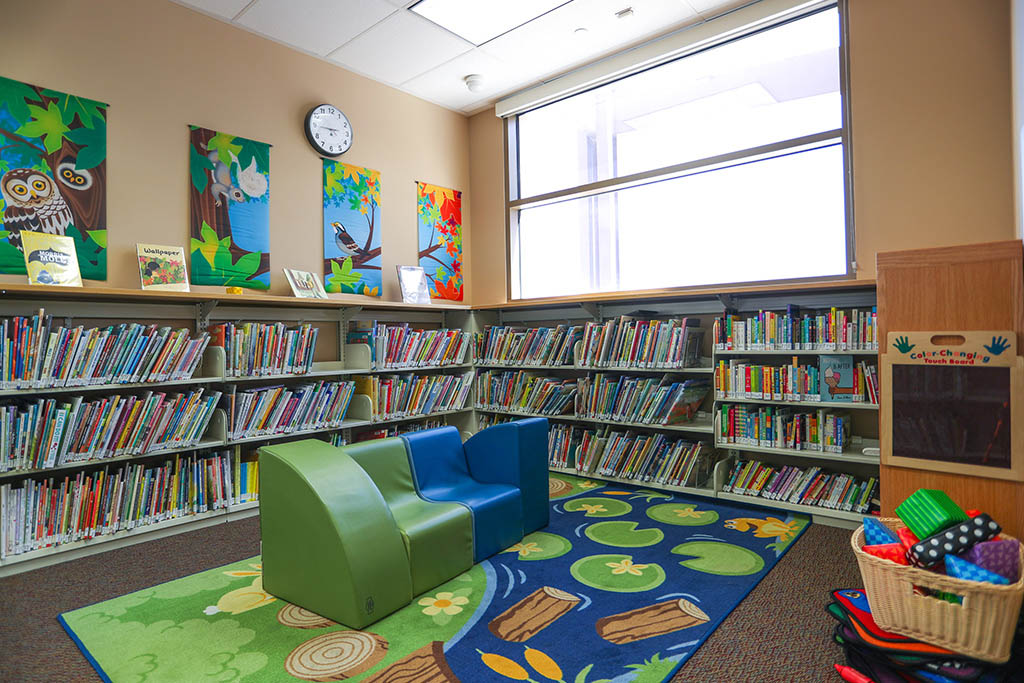
A Family Place Library is a center for early childhood information, parent education, emergent literacy, socialization, and family support. Family Place builds on the knowledge that good health, early learning, parent involvement, and supportive communities play a critical role in young children's growth and development. Each Family Place Library features the following core elements:

  • A bright, colorful, and welcoming space for young children and their parents.
  • A collection of books, toys, videos, music, and other materials for babies, toddlers, parents, and service providers
  • Access to resources that emphasize emergent literacy, reading readiness, and parent education.
  • Developmentally appropriate programming, such as baby and toddler storytimes for younger children and their parents.
  • Outreach to new and underserved populations.
  • The Parent-Child Workshop is a five-week workshop featuring local professionals, such as nutritionists, speech and language therapists, and child development experts, who serve as resources for parents.

The first three years of a child's life lay the foundation for learning. Get the tools and resources you need to give your child the best possible start.

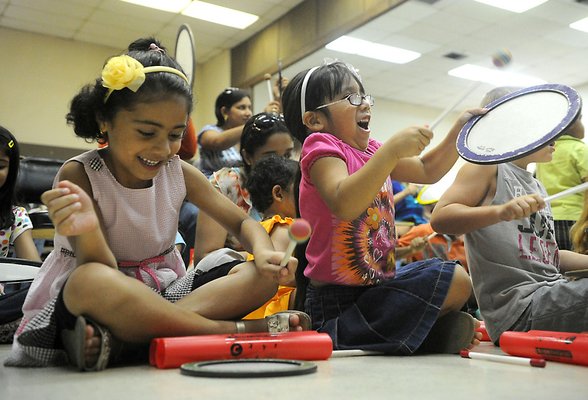
Family Place Library Children playing music in Family Place Library

citizenship in a bag

Citizenship-in-a-Bag contains:

  • Settlement information for new immigrants to the United States
  • Information on the U.S. naturalization process;
  • Study materials for the naturalization test
  • Reference materials on the rights and responsibilities of U.S. citizenship
  • Multimedia tools including DVDs and an audio CD
  • Teaching guides and planning resources
  • flash cards and books

Checkout or place a hold on a Citizenship-in-a-Bag toolkit.

Great! Thank you for sharing your photos with Catalina PhotoShare, a community history project of LA County Library.

Your photos will be reviewed and if they meet the criteria, they will be added to the Catalina PhotoShare online collection.

If you have any questions, please contact: digitalprojects@library.lacounty.gov

Terms of Service and Laptop Library Locations

Laptops in this kiosk can be checked out by customers with a LA County Library card in good standing.  The laptop is due back in the kiosk before the library closes on the same day it is checked out.

If you do not return the laptop to the kiosk on the same day you check it out, your library account will be charged the full replacement cost of the laptop.

When you check out a laptop from this kiosk, you agree to use it within the library only.  If you remove the laptop from the library, you may held criminally responsible for theft of the laptop and/or be charged the full replacement cost of the laptop.

You are responsible for the laptop and you agree that you will reimburse the LA County Library for any damages if the laptop is damaged, lost or stolen while checked out to you.

If you check out a laptop and it is damaged, you will give it to library staff immediately.

You must save to a removable storage device (such as a USB drive) since your work will not be saved to the laptop beyond your current checkout.

LA County Library will not be held responsible for any damage or loss of data or media due to any cause while you are using a laptop from this kiosk.

By using this laptop, you must adhere to the Library’s Acceptable Use Policy. Laptops are available at the following libraries:

A C Bilbrew Library

Artesia Library

Culver City Julian Dixon Library

Clifton M Brakensiek Library

East Los Angeles Library

El Camino Real Library

La Mirada Library

La Puente Library

Leland R Weaver Library

Manhattan Beach Library

Paramount Library

Quartz Hill Library

Sorensen Library

South El Monte Library

South Whittier Library

Temple City Library

View Park Bebe Moore Campbell Library

Walnut Library

West Hollywood Library

Willowbrook Library

Consumer Health Information Program

The Consumer Health Information Program assists the public with medical research by providing information from reliable sources. Customers are invited to use the Norwalk Library collection which consists of books, magazines, videos, and online databases related to health topics. We also provide individualized research services.

Please be aware, we do not provide medical advice, nor are the materials we provide a substitute for a professional medical opinion.

What Can We Do for You?

We can provide you with information on topics such as:

  • Medical conditions or diseases
  • Prescription medications
  • Surgical procedures
  • General physician and hospital information
  • Book and website recommendations for further reading

How to Contact Us

Location: Norwalk Library

Phone: (562) 868-4003

Fax: (562) 868-4065

Email: chips@library.lacounty.gov

Online Resources

Health Databases *

Health & Fitness eBooks and Audiobooks *

LA County Library Californiana Collection

Accessing the Collection

The Californiana Collection is in closed stacks at the Norwalk Library located at 12350 Imperial Hwy, Norwalk, CA 90650.

About the Collection

The Californiana Collection consists of over 24,000 books and over 200 magazine and newspaper titles in paper and on microfilm as well as a collection of state documents including state and county budgets. The goal of this collection is to present a complete picture of the history, culture, environment and artistic expression of the people of California and to some extent, the western United States.

Collection Highlights

  • California Census Schedules from 1850 to 1910
  • Copies of The Alta California newspaper 1849-1891, as well as dozens of other 19th century newspapers from Gold Rush boomtowns, the Owens Valley and San Francisco
  • The Los Angeles Star newspaper 1851-1879
  • City directories dating from the 19th century
  • Official city and county histories from the 19th and 20th centuries
  • Materials on the Donner Party, California water projects, famous California crimes, Hollywood culture, biographies of Californians, pioneer narratives of the early days of California, and histories of the state written over the course of 150 years